

5 Red Flags of Understaffing in Nursing Home Negligence Cases
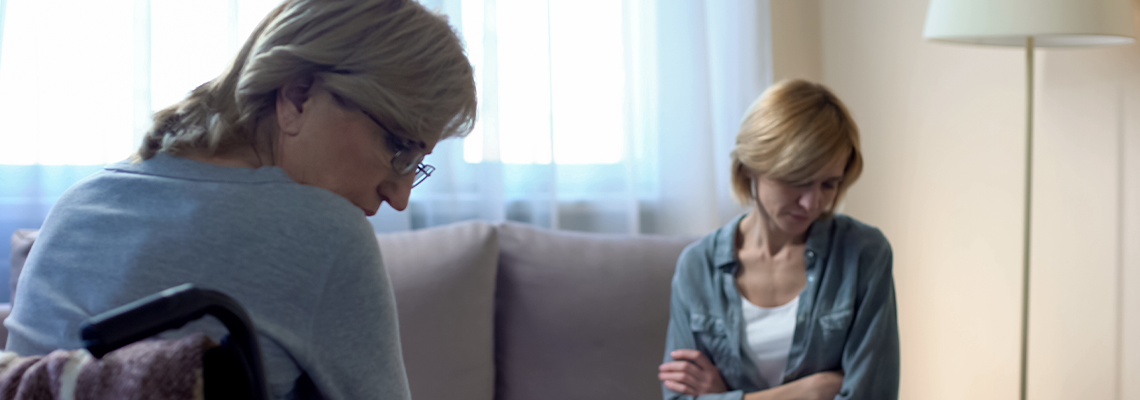
When a loved one is placed in a nursing home, families trust that they’ll receive compassionate, timely, and professional care. Unfortunately, understaffing in nursing facilities can compromise that trust and lead to severe consequences.
Slechter Law Firm Attorneys at Law in Louisville, Kentucky, understands how devastating nursing home negligence can be and is committed to helping families hold facilities accountable. Families may notice subtle signs that care isn’t meeting professional standards, or more glaring issues that clearly point to insufficient staffing. Recognizing these red flags early is essential.
If you suspect that a nursing home’s staffing issues have harmed your loved one, contacting an experienced lawyer promptly can make a critical difference in protecting your family’s rights. The attorney duo at Slechter Law Firms Attorneys at Law is ready to advocate for your loved one.
Delayed or Skipped Care
One of the most noticeable indicators of understaffing is when residents experience delayed or skipped care. Nursing home staff are responsible for daily routines, including feeding, bathing, administering medications, and attending to mobility needs.
When the facility is short-staffed, these responsibilities can become difficult to manage on time. Here are signs to look for:
Missed medication doses: Residents may not receive medications according to the prescribed schedule. Skipping or delaying medications can worsen existing health conditions and may even be life-threatening.
Incomplete personal hygiene routines: Bathing, grooming, and oral care may be skipped, which can lead to infections, skin breakdown, and emotional distress.
Delayed responses to call lights: Staff may take unusually long to respond when residents ask for help, leading to falls or prolonged discomfort.
Irregular meal assistance: Residents who require help eating may not get it consistently, increasing the risk of malnutrition or dehydration.
When care is routinely delayed or skipped, it often indicates that the facility lacks sufficient staff to meet its obligations. This creates a foundation for nursing home negligence claims.
High Turnover Rates Among Staff
Another key red flag is a high turnover rate among nurses and aides. While occasional staffing changes are normal, constant departures and new hires indicate an unstable working environment. High turnover not only disrupts continuity of care but also suggests deeper systemic issues within the facility.
Frequent replacement of nurses and aides means that residents may be cared for by staff who are unfamiliar with their medical histories or personal needs. This lack of familiarity can lead to mistakes and inadequate care.
Loss of experienced staff is another concern. Skilled employees often leave due to burnout, low pay, or overwhelming workloads, which lowers the overall quality of care provided to residents.
Difficulty maintaining relationships is also a major issue. Consistent staffing helps residents form trusting relationships with caregivers, which is crucial for their mental and emotional well-being. High turnover prevents these relationships from developing, negatively impacting residents' overall experience.
Employees might be responsible for more residents than is safe, leading to overwork and fatigue. Exhausted caregivers are more likely to make mistakes, overlook critical changes in residents’ health, or respond slowly to emergencies.
In cases of nursing home negligence, proving that high turnover contributed to substandard care can strengthen the argument that the facility's staffing decisions were negligent. The inconsistent care caused by high turnover negatively impacts resident well-being and safety.
Frequent Use of Temporary or Agency Staff
Nursing homes sometimes hire temporary or agency workers to fill staffing gaps. While these employees can provide essential support, overreliance on short-term staff may indicate chronic understaffing and can compromise the quality of care. This involves:
Limited familiarity with residents: Temporary staff may not know residents’ routines, medical histories, or specific needs, increasing the risk of mistakes.
Inconsistent training: Agency workers may receive minimal orientation, leading to errors in care protocols or emergency procedures.
Reduced accountability: Short-term staff may not feel invested in the facility’s culture of care, potentially ignoring subtle changes in residents’ conditions.
In nursing home negligence cases, evidence that temporary staff were frequently used can demonstrate that the facility’s staffing practices endangered residents. This pattern can be a key factor in proving that the facility failed to provide a safe environment.
Poor Facility Management
Understaffing is often symptomatic of deeper management issues. Facilities that prioritize cost savings over resident care may consistently operate with too few caregivers, which can result in widespread negligence.
Families should watch for these signs that the administration is contributing to inadequate staffing levels:
Delayed or insufficient staff hiring: New positions may remain unfilled for long periods, forcing existing employees to cover additional responsibilities.
Lack of training and support: Staff may not receive proper training for specialized care, such as dementia or mobility assistance.
Disorganized scheduling: Erratic shift patterns or last-minute changes can indicate poor management and contribute to overwork and burnout.
Inadequate oversight: Facility supervisors may fail to monitor staff performance, leaving care gaps unaddressed.
When combined with the other red flags, poor management can serve as compelling evidence of systemic negligence in legal cases involving nursing homes. This highlights the importance of thorough investigations to foster accountability and justice for affected residents.
How These Red Flags Can Affect Residents
Understaffing doesn’t just create administrative problems—it has direct consequences for residents’ health and well-being. The most common outcomes include:
Falls and injuries: Residents may fall when assistance is unavailable or delayed.
Pressure ulcers: Insufficient repositioning and monitoring can cause painful bedsores.
Malnutrition and dehydration: Missed meals or inadequate feeding assistance can lead to serious medical conditions.
Medication errors: Missed or incorrect doses may worsen chronic conditions or trigger emergencies.
Emotional distress: Neglect can contribute to depression, anxiety, and a sense of isolation.
These outcomes illustrate why nursing home negligence cases often rely on detailed documentation of staffing issues to prove harm. A lawyer from Slechter Law Firm Attorneys at Law can help you gather the necessary evidence to build a strong case.
Documenting Evidence for Nursing Home Negligence
Families pursuing a claim must gather concrete evidence to support their case. Observations of understaffing should be paired with records that show how it affected residents’ care. Evidence may include incident reports, medical records, staffing schedules, photographs or videos, and witness statements. Gathering and presenting this evidence effectively can strengthen a nursing home negligence case and highlight the direct link between understaffing and harm.
Legal Implications of Understaffing
Understaffing isn’t just a management issue—it’s a legal concern. Nursing homes are required by law to provide a safe environment and adequate care. Failing to do so can lead to liability for negligence.
Duty of care violations: Facilities have a legal obligation to meet residents’ physical, medical, and emotional needs.
Breach of standards: Federal and state regulations dictate minimum staffing ratios and qualifications. Falling short can constitute a breach.
Causation and damages: To succeed in a negligence claim, families must show that understaffing directly caused harm to the resident.
Understanding how these legal principles intersect with observed red flags helps families build a compelling case for compensation. An experienced nursing home abuse lawyer can help you navigate this process and fight for the justice your loved one deserves.
Steps Families Can Take If They Suspect Negligence
If you suspect negligence due to understaffing, it's crucial to take action early. Proactive steps can protect the resident and strengthen any potential legal claim.
First, keep detailed records of any incidents, missed care routines, or unusual staff behavior you observe. These notes can serve as critical evidence. It's also important to communicate your concerns directly with the nursing home's administration. You can formally request documentation of their staffing practices to see if they meet regulatory standards.
Additionally, monitor care routines closely. Pay attention during meal times, medication administration, and hygiene practices to see if standards are being met.
Finally, consult a lawyer who specializes in nursing home negligence. An attorney can review your evidence, advise you on your rights, and guide you through the process of filing a claim. Early intervention can prevent further harm and significantly strengthen your case.
Preventive Measures and Advocacy
While families cannot control staffing at a facility, they can take steps to protect residents and advocate for better conditions.
Regular visits: Frequent family presence helps monitor care and identify potential issues early.
Encourage reporting: Notify state agencies if understaffing or neglect is suspected.
Support facility improvements: Advocate for better training, adequate staffing, and transparent policies.
Engage in legal consultation: Understanding legal options can empower families to demand appropriate care and accountability.
Advocacy and vigilance are essential tools for families to help reduce the risk of nursing home negligence caused by understaffing. Staying informed and involved can make a significant difference in ensuring your loved ones receive the care they deserve.
Contact the Firm Today
Understaffing in nursing homes can have serious consequences, and identifying red flags is the first step toward protecting your loved one. Slechter Law Firm Attorneys at Law can review your case and help you understand your legal options.
The firm serves families in Louisville, Kentucky and throughout the state, including Lexington, Kentucky. Contact an experienced lawyer today to discuss potential nursing home negligence claims.