

Car Accident Claims Involving Uninsured Drivers
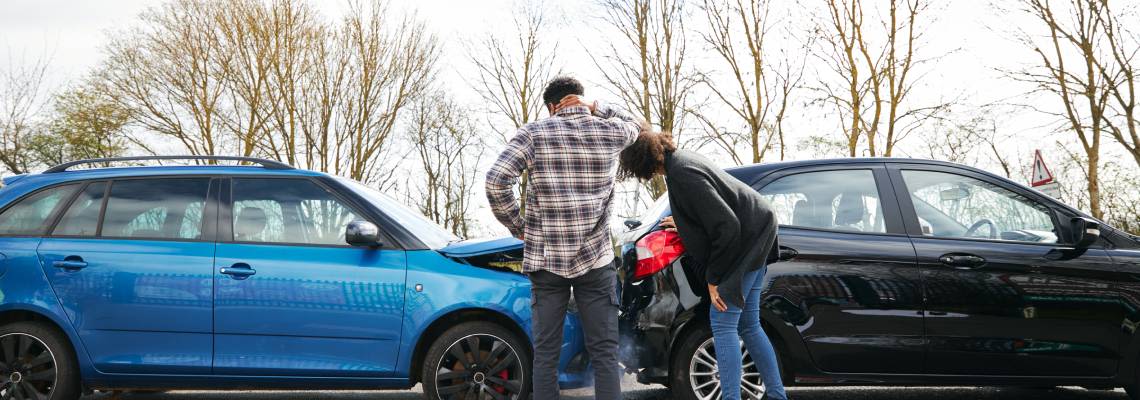
You exchange information after a crash and discover that the driver who hit you has no insurance to pay your injury claim. That changes where you may need to seek compensation, but it doesn't necessarily leave you without a claim. In Kentucky, your own uninsured motorist coverage may cover bodily injuries caused by an uninsured driver, and other coverage may also apply.
Slechter Law Firm Attorneys at Law represents people injured in car accidents in Louisville, Kentucky, including crashes caused by uninsured drivers. The firm can examine the available insurance, determine which coverage may apply, and address disputes that arise during the claims process.
How Does Uninsured Motorist Coverage Work?
Uninsured motorist (UM) coverage lets an insured person seek compensation under their policy for bodily injuries caused by an uninsured driver, provided they meet the legal and policy requirements.
Under Kentucky law governing uninsured motorist coverage, applicable auto liability policies generally must provide UM bodily injury coverage unless the named insured rejects that coverage in writing. The person seeking UM benefits must still be legally entitled to recover damages from the uninsured driver.
UM coverage may also protect you when you are not driving your own insured vehicle. Depending on who qualifies as an insured under the policy, coverage can potentially apply when you are riding in another vehicle or are struck as a pedestrian. Passengers and household family members may also have coverage, but you must review the applicable policy terms and the person's status under the policy.
Does Uninsured Motorist Coverage Apply to Hit-And-Run Accidents?
Hit-and-run accidents can raise an additional coverage question when you can't identify the at-fault driver. Kentucky law does not require every UM policy to cover an unidentified hit-and-run driver, although a policy may provide that protection and may impose conditions on the claim.
One common condition requires the unidentified vehicle to make physical contact with the insured, the insured vehicle, or another vehicle in a qualifying chain-reaction collision. Kentucky courts have upheld physical-contact requirements in hit-and-run UM policies, so the specific policy language and the facts of the crash matter when determining whether coverage applies. Promptly reporting the crash to police and your insurer can also help preserve evidence and satisfy applicable policy notice requirements.
What Can an Uninsured Motorist Claim Cover?
UM coverage can provide compensation for bodily injury caused by an uninsured driver. Depending on the circumstances, policy limits, and the losses you can prove, a claim may include medical expenses, lost income, pain and suffering, and other compensable damages.
Kentucky's no-fault rules can affect recovery for pain and suffering. Under Kentucky's tort threshold law, you generally must meet the statutory threshold before recovering non-economic damages. Because a UM claim depends on what you would be legally entitled to recover from the uninsured driver, that threshold can affect whether the UM claim includes pain and suffering.
Kentucky law can also treat a vehicle as uninsured when liability coverage is denied or the insurer becomes insolvent, subject to the statute and policy terms. Damage to your vehicle presents a separate insurance question. Kentucky's statutory UM requirement covers bodily injury, so you may need to review collision or other applicable property coverage for vehicle repairs.
PIP May Provide Benefits Regardless of Fault
Kentucky's no-fault system may provide another source of benefits after a crash with an uninsured driver. Basic reparation benefits, commonly associated with personal injury protection or PIP coverage, cover specified economic losses without requiring you to prove the other driver caused the accident.
Under Kentucky's current definition, basic reparation benefits reimburse covered economic losses resulting from an injury arising out of the operation, maintenance, or use of a motor vehicle, subject to applicable statutory conditions. The maximum is $10,000 per person for one accident. Covered losses can include qualifying medical expenses, lost wages, and loss of replacement services.
PIP and UM coverage therefore serve different purposes. PIP addresses certain economic losses regardless of fault, while a UM claim requires you to establish a legal right to recover damages from the uninsured driver.
Reviewing both coverage types can matter after a serious crash. The firm’s car accident services handle accidents where the other motorist's lack of insurance complicates the usual path to compensation.
When The Other Driver Is Underinsured
A driver with insurance but insufficient coverage presents a different problem. Underinsured motorist (UIM) coverage may apply when the other driver's liability insurance doesn't cover the damages for which that driver is legally responsible.
Kentucky requires insurers to make UIM coverage available upon request. Subject to the statute and policy terms, the coverage can provide compensation for qualifying damages that remain uncompensated because the other driver's liability coverage is inadequate.
Before settling a claim that would leave you with a UIM claim, Kentucky law requires written notice of the proposed settlement to all UIM insurers providing coverage. The UIM insurer generally has 30 days to consent to the settlement or take the statutory steps necessary to preserve its subrogation rights. Settling without following the required procedure can affect the UIM claim, making it important to address potential UIM coverage before finalizing a liability settlement.
What Do You Have to Prove in A UM Claim?
UM coverage does not automatically require an insurer to pay the amount you claim. You still need evidence showing that the uninsured driver was legally responsible for the collision and supporting the injuries and damages caused by the crash.
Useful evidence can include:
The police report
Photos or video of the crash scene and vehicles
Witness contact information and statements
Medical records and bills
Records of missed work and lost income
Insurance correspondence and policy documents
Your own insurer may investigate fault, whether the policy covers the accident, the cause and extent of your injuries, and the value of your losses. Preserving evidence can matter even when you make a claim under a policy you purchased.
How Long Do You Have to File a Claim?
Time limits can depend on the type of claim and the coverage involved. Under Kentucky's motor vehicle limitations law, a motor vehicle tort action not abolished by the state's no-fault law generally must be commenced within two years after the injury or the date of the last basic or added reparation payment, whichever occurs later.
Insurance policies may also include notice or claim requirements you need to consider. Waiting to investigate the available UM coverage can therefore create avoidable problems even when a statutory filing deadline has not yet expired.
Discuss Your Uninsured Driver Claim with Slechter Law Firm
An uninsured driver's lack of coverage can shift your claim's focus to insurance available elsewhere. Determining what applies may require reviewing your policy, the other driver's insurance status, the circumstances of the crash, and your losses.
At Slechter Law Firm, attorneys Mat A. Slechter and Meredith Kirklin Slechter can review policies that may cover the crash, identify potential sources of compensation, document your losses, and address coverage or claim disputes with insurers.
If you were injured by a driver without insurance, contact the Louisville uninsured driver accident attorneys to discuss the accident and your options for seeking compensation.