

Recognizing Signs of Nursing Home Neglect and Abuse
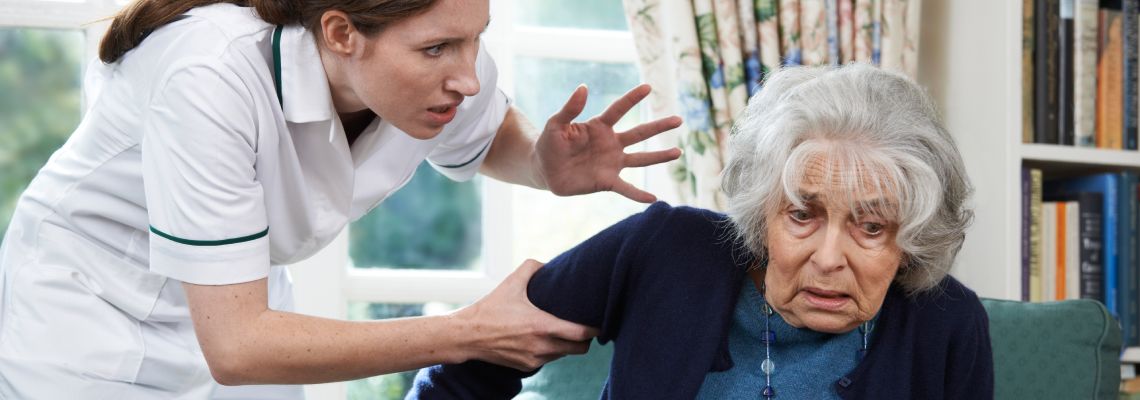
Placing a loved one in a nursing home is often one of the most difficult decisions a family can make. It’s rooted in trust—the belief that trained professionals will provide compassionate care, dignity, and safety. Watching someone you care about suffer due to nursing home neglect or abuse is deeply painful, and it can leave you wondering what signs you may have missed and how to make things right.
For many families, the realization that something isn’t right comes gradually. A loved one may seem withdrawn, develop unexplained injuries, or show sudden changes in health. These moments can raise difficult questions.
Slechter Law Firm Attorneys at Law helps Kentucky families take action when concerns go beyond mere suspicion. From their office in Louisville, the firm serves clients throughout the state, including Lexington. They work to hold negligent facilities accountable and help families seek justice. If something feels off, it’s important to trust those instincts and take the next step—reach out to discuss your concerns.
Common Warning Signs of Nursing Home Neglect
Recognizing nursing home neglect isn’t always straightforward. Some signs may be subtle at first, while others are more visible. Paying close attention to changes in your loved one’s physical condition, emotional state, and environment can help you identify when something may be wrong.
Below are some of the most common indicators that may suggest nursing home neglect:
Physical injuries: Unexplained bruises, cuts, burns, fractures, or frequent falls may be signs of neglect, poor supervision, or physical abuse.
Poor hygiene: Dirty clothing, unwashed hair, or strong odors can indicate that residents aren’t receiving proper daily care.
Bedsores (pressure ulcers): These painful sores often develop when a person isn’t repositioned regularly, a key sign of neglect.
Malnutrition or dehydration: Sudden weight loss, dry skin, or confusion may suggest that a resident isn’t being properly fed or given enough fluids.
Unsanitary living conditions: A room that’s consistently dirty, cluttered, or unsafe may reflect broader issues within the facility.
Each of these warning signs on its own may not confirm nursing home neglect, but patterns or multiple indicators should raise serious concern. When these issues appear, it’s important to document what you see and begin asking questions. Taking these signs seriously can help protect your loved one and prevent further harm. Acting early often makes a meaningful difference in outcomes.
Emotional and Behavioral Red Flags
While physical symptoms are often easier to identify, emotional and behavioral changes can be just as telling. Nursing home neglect doesn’t only affect the body—it can deeply impact a person’s mental and emotional well-being.
Some behavioral warning signs to watch for include:
Withdrawal or depression: A once-social resident may become quiet, isolated, or uninterested in activities they previously enjoyed.
Fear or anxiety: If a loved one seems nervous around certain staff members or hesitant to speak openly, it could indicate mistreatment.
Sudden mood changes: Unexplained anger, agitation, or confusion may be linked to neglect or emotional abuse.
Reluctance to communicate: Some residents may avoid discussing their care out of fear of retaliation or embarrassment.
Sleep disturbances: Changes in sleep patterns, including insomnia or excessive sleeping, can reflect emotional distress.
These signs often require closer observation over time. It’s important to create a safe space for your loved one to share how they feel without pressure. Even small comments or changes in tone can reveal underlying problems.
When emotional and behavioral shifts accompany physical warning signs, the likelihood of nursing home neglect increases. Addressing these issues promptly can help restore a sense of safety and dignity for your loved one.
Why Nursing Home Neglect Happens
Understanding why nursing home neglect occurs can help families recognize systemic issues within facilities. While no excuse justifies neglect, identifying the root causes can help clarify the situation and guide next steps. Some of the most common factors contributing to nursing home neglect include understaffing, inadequate training, high staff turnover, poor management, and profit-driven decisions.
These underlying issues often create an environment where nursing home neglect becomes more likely. Recognizing these patterns can help families evaluate whether a facility is meeting acceptable standards of care. If these conditions are present alongside warning signs, it may be time to consider stronger action. Holding facilities accountable can lead to meaningful improvements and prevent harm to others.
Steps to Take if You Suspect Neglect
If you believe your loved one is experiencing nursing home neglect, taking action quickly is critical. While it can feel emotional, breaking the process into clear steps can help you move forward with confidence. Important actions to consider are documenting everything, speaking with staff and management, reporting the issue, seeking medical evaluation, and consulting with an experienced attorney.
Taking these steps not only helps protect your loved one but also creates a record that can be used if legal action becomes necessary. Nursing home neglect cases often rely on detailed documentation and timely reporting. By acting decisively, families can advocate for better care and prevent further harm. Even small steps can lead to significant changes when it comes to accountability.
Compassionate Support for Nursing Home Neglect Cases
Recognizing the signs of nursing home neglect is the first step, and taking action can lead to meaningful change for your loved one and others. Slechter Law Firm Attorneys at Law works with Kentucky families to address the harm caused by nursing home neglect and pursue accountability. From their office in Louisville, the firm serves Kentucky residents throughout the state, including Lexington. If you're seeking justice and compensation or suspect nursing home abuse or neglect, reach out today.