

When Hospital Negligence Results in Birth Injuries
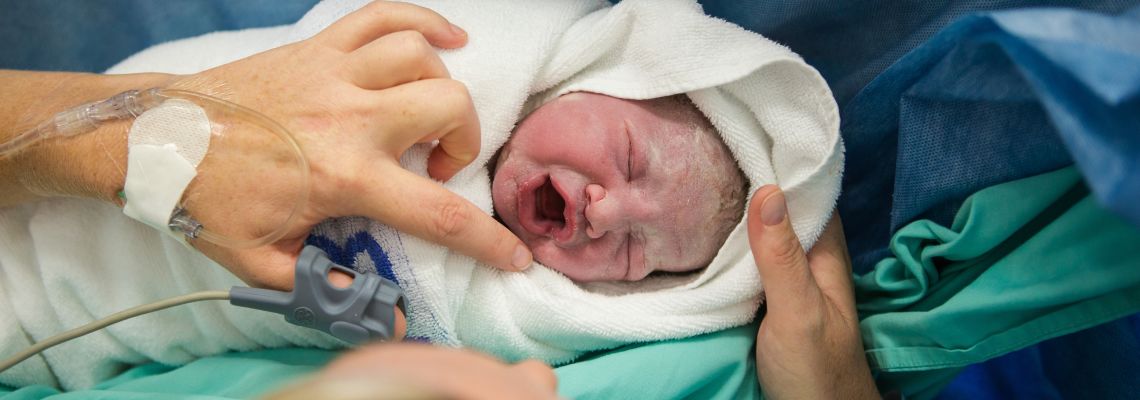
Few experiences are more emotional than welcoming a child into your family. When something goes wrong during labor, delivery, or the period immediately after birth, the joy of those first moments can quickly be overshadowed by fear, confusion, and heartbreak.
You may be asking why your baby was injured, whether something could have been done differently, and what the injury might mean for your child's future.
Those questions can be especially painful when you suspect that a hospital or medical professional failed to provide appropriate care. If your family is dealing with a birth injury that may have resulted from negligent medical care, consider seeking legal guidance before making decisions about a potential claim.
Slechter Law Firm Attorneys at Law helps families throughout Kentucky, including Lexington, assess their legal options after serious injuries. If you're concerned about what happened during your child's birth, contact Slechter Law Firm Attorneys at Law to discuss your circumstances and potential next steps.
How Hospital Negligence Can Contribute To Birth Injuries
Birth injuries can have many causes, and not every injury means that medical negligence occurred. Labor and delivery can involve unpredictable medical conditions, and some complications may happen despite appropriate care.
A legal claim generally requires evidence that a healthcare provider failed to meet the applicable standard of care and that this failure caused or contributed to an injury. Hospital negligence may involve actions or omissions before, during, or immediately after delivery.
For example, healthcare providers may need to monitor a baby's heart rate, recognize signs of fetal distress, respond to complications, administer medication appropriately, or make timely decisions about delivery methods. When warning signs aren't recognized or appropriate action is delayed, the consequences can sometimes be serious.
Potential concerns may include inadequate fetal monitoring, failure to respond to abnormal test results, delayed emergency delivery, medication errors, poor communication among medical personnel, or inadequate care after birth. The facts of each situation matter, and a hospital negligence lawyer can review the available evidence to determine whether the circumstances warrant further investigation.
Signs That Medical Care May Need Further Review
Parents aren't expected to know every medical detail surrounding labor and delivery. You may simply know that something didn't seem right, that your child required emergency treatment, or that doctors later diagnosed an injury you weren't expecting. Those concerns may justify asking questions and obtaining medical records.
Certain circumstances may warrant closer review, particularly when medical records or statements from healthcare providers raise questions about the timing or quality of care. Examples can include:
Unexplained changes during labor: Significant changes in the baby's condition may require prompt medical attention.
Delayed emergency intervention: A prolonged delay in responding to fetal distress may warrant examination.
Unexpected neurological injuries: Certain conditions may prompt questions about oxygen deprivation or other events surrounding delivery.
Medication concerns: Incorrect medications, dosages, or timing may contribute to complications.
Communication failures: Important information may not have been communicated promptly between healthcare providers.
Unexpected neonatal treatment: A baby requiring intensive treatment after birth may need a closer review of the events leading up to the condition.
These circumstances don't automatically establish negligence. A medical review is needed to determine what happened and whether the care provided was appropriate under the circumstances. Hospital negligence lawyers can help families identify relevant records and investigate questions that may otherwise remain unanswered.
Evidence Used In Birth Injury Claims
Medical records can provide a detailed timeline of what happened before, during, and after delivery. These records may include prenatal information, fetal monitoring strips, nursing notes, medication records, physician notes, laboratory results, imaging, delivery records, and neonatal intensive care documentation.
The timing of medical decisions can be especially important. A legal review may examine when a warning sign first appeared, when a provider became aware of it, what action was taken, and whether the response was appropriate given the circumstances. Records from multiple providers may also be compared to determine whether the documented timeline is consistent.
Other evidence may include statements from parents and witnesses, hospital policies, electronic communications, photographs, billing records, and testimony from medical professionals. An experienced lawyer can help determine which materials may be relevant to evaluating a potential claim.
Families should preserve copies of documents they receive and keep records of their child's treatment. Save medical bills, appointment information, therapy records, prescription expenses, and other costs.
Maintaining a record of developmental changes, limitations, and ongoing care can also provide valuable information when assessing the impact of an injury. A hospital negligence lawyer can review this information along with medical evidence to help determine whether additional investigation is appropriate.
How Birth Injuries Can Affect A Child And Family
The consequences of a serious birth injury may extend far beyond the initial hospitalization. Some children may need physical therapy, occupational therapy, speech therapy, medications, assistive equipment, specialized education, or other forms of ongoing care. The child's needs may also change as they grow.
Compassionate Guidance For Families Facing Birth Injuries
When your child suffers an injury during birth, you may spend months or years wondering whether different medical decisions could have changed the outcome. You may also be worried about how to pay for treatment and provide the care your child needs in the future.
Those concerns deserve thoughtful attention, particularly when the injury may have resulted from preventable medical negligence. Slechter Law Firm Attorneys at Law assists families throughout Kentucky, including Lexington, with serious injury matters involving potential hospital negligence.
If you believe your child's birth injury may have resulted from negligent medical care, contact Slechter Law Firm Attorneys at Law today to discuss your family's situation and learn how one of their hospital negligence lawyers may help you pursue answers and appropriate compensation.